MUSEEC Launches First Music Curation Certification
music curation certification: MUSEEC launches the first EU-backed certification in music curation and sound design. Read the full breakdown. Read more.

Estimated reading time: 2 min
EU-Backed Ibiza Platform Certifies Music Curation
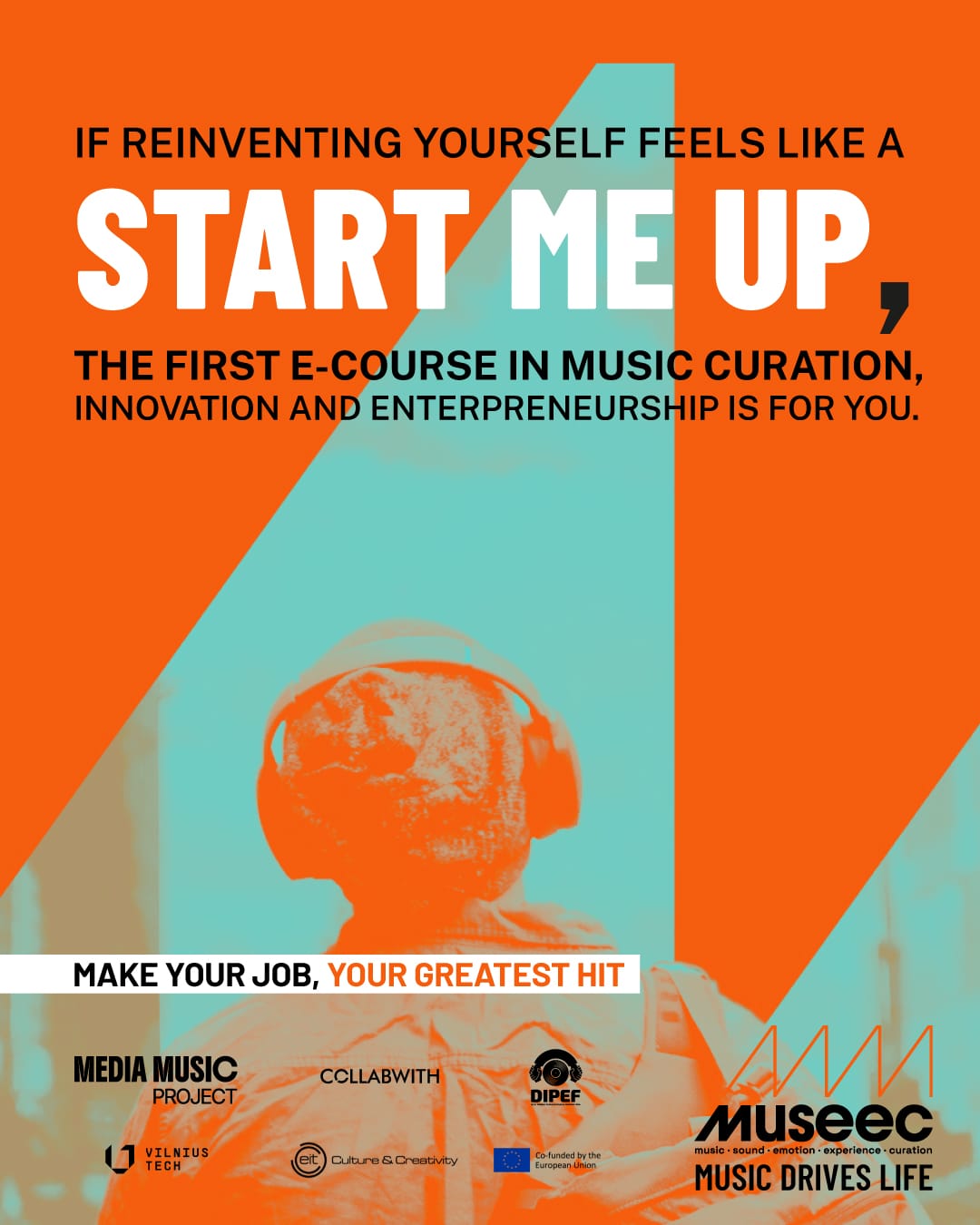
MUSEEC, a 160-hour online program launched from Ibiza in November 2025, offers the among the earliest reported EU-backed certification in music curation and sound design for non-musicians. Developed by DIPEF, Vilnius Tech University, and Dutch consultancy Collabwith under EIT Culture & Creativity, the course spans five modules: Innovation & Entrepreneurship, Music Curation & Sound Design, Generative AI & Deep Technologies, Green Tech for AV & Music Production, and Employability & Marketing. (Original source)
Faculty includes professionals from Siemens, Eurecat, Universal Music Group, Sonar+D, and SoundCloud, alongside academics from Autonomous University of Barcelona and Complutense University of Madrid. The curriculum integrates neuroscience, anthropology, and scalable business models into applied sound practice, culminating in a mentored final project. Completion yields official EIT certification, positioning graduates for roles in branding, placemaking, and experiential design—a formalization of skills previously confined to club culture.
160-Hour Curriculum Blends AI and Green Tech
The program stacks theory and applied learning across three thematic pillars: Curatorship, Innovation, and Business. Each module addresses a distinct professional gap—generative AI and deep-tech data literacy for algorithmic contexts, green-tech protocols for carbon-aware AV production, and employability strategies covering offer design, pricing, and scalable career models. Participants complete a final mentored applied project before receiving official EIT certification.
Delivery blends masterclasses, case studies, and workbook exercises in a "learn by doing" framework designed for working professionals. The curriculum embeds neuroscience, anthropology, and branding alongside audio craft, positioning curation as a strategic discipline rather than playlist assembly. Faculty rotate between corporate tech roles at Siemens and Eurecat, artist-services teams at Universal and SoundCloud, and festival innovation desks including Sonar+D.
From Club Culture to Cross-Industry Sound Strategy
MUSEEC translates Ibiza's club legacy into institutional sound strategy. The EU backing via EIT Culture & Creativity positions music curation alongside other recognized creative-tech disciplines, offering participants official certification that bridges nightlife knowledge and boardroom credibility. Target enrollees span branding strategists, placemaking consultants, and experiential designers—professionals who deploy sound to shape consumer behavior and spatial narratives rather than DJ sets. By packaging music selection as measurable impact rather than taste, the course addresses demand from sectors where audio has become instrumental: retail atmospherics, app onboarding flows, museum installations, smart-city soundscapes. The program frames itself as "a shift in how we understand, apply, and value music and sound," formalizing what was once intuitive DJ craft into documented methodology.
Sources
- Original source
- MUSEEC: The First Global E-Course On Music Curation & Sound ... (2025-11-25)
- GET MUSEEC DIGITAL COURSE - MEDIAMUSIC ACADEMY (2025-09-19)
- MUSEEC is born: the first global digital music curation and sound ... (2025-11-20)
- MUSEEC our new digital course for innovation music curation and ... (2025-10-24)
How we reported this
We reviewed the original coverage from EGNews and cross-checked key details against the sources above. If something is unclear or changes after publication, we’ll update this post.
About the author
Tom Rander — is a journalist and electronic music specialist who has spent years documenting the intersection of club culture and technical innovation. With a background rooted in both the booth and the press room, Tom founded Rander.io to provide a more rigorous, expertise-driven alternative to mainstream music blogs.