Humboldthain Club Threatened by Housing Development
Humboldthain Club Berlin: Berlin's Humboldthain Club faces closure threat from 120 micro-apartments using a 'commercial living' loophole to bypass industrial
Estimated reading time: 2 min
Micro-apartments threaten Wedding venue's industrial buffer
A development of approximately 120 micro-apartments on the plot adjacent to Humboldthain Club has prompted a petition campaign and zoning dispute in Wedding. Campaigners argue the site sits within an industrial zone explicitly not designated for residential use, yet the developer is marketing the project under the label "commercial living"—a term the petition describes as having no legal definition in building regulations and appearing to "establish residential use through the back door—at the expense of existing uses." (Original source)
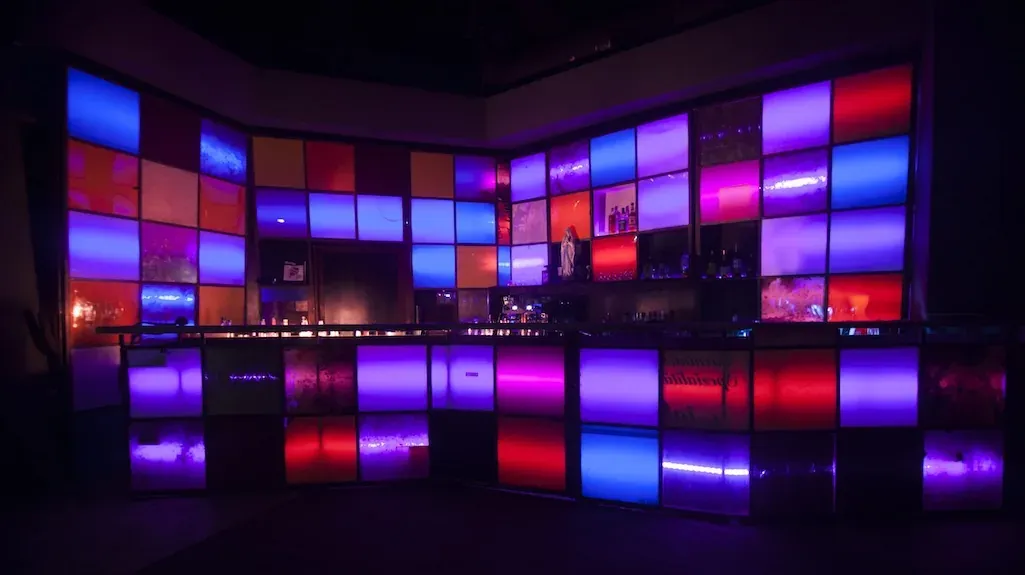
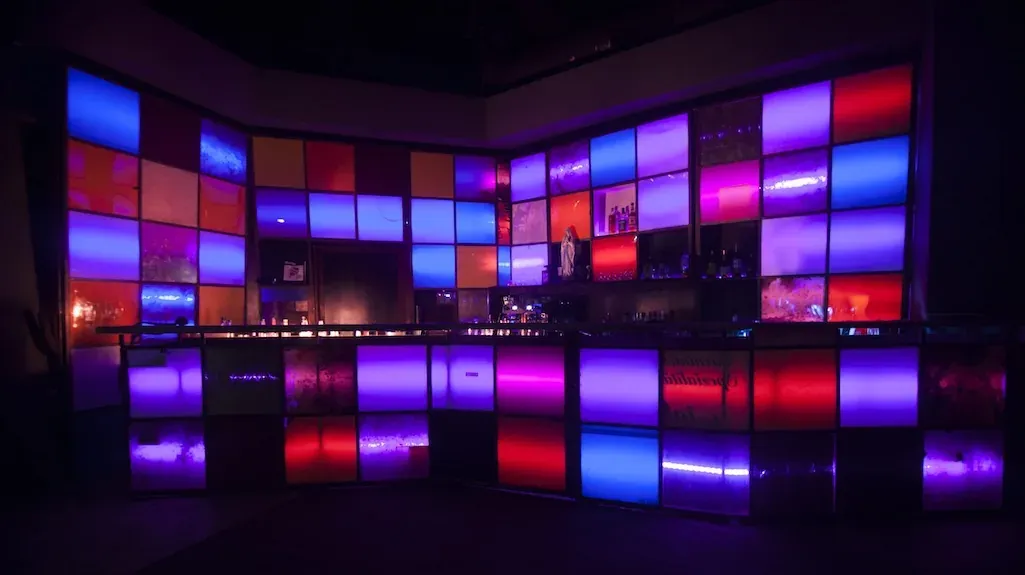
The club has operated since 2013 in the S‑Bahn station building beside Volkspark Humboldthain, programming nights with artists including bbymeister, GEN97 and HiHat. (Humboldthain Flak Tower in Berlin | Atlas Obscura) A Luxembourg-based investor is backing the scheme, according to the Change.org petition, which frames the apartments as a test of whether fuzzy land-use terminology can sidestep industrial-zone protections and effectively introduce noise-complaint liability into a deliberately buffered nightlife area.
Developer uses undefined commercial living loophole
The development's legal framing rests on the term "commercial living," which petitioners argue lacks a formal definition in German building regulations. This ambiguity allows the scheme to be pitched without triggering residential-use designations that would conflict with the industrial zoning. Campaigners contend the label serves as a procedural workaround, enabling the investor to introduce occupancy patterns functionally identical to residential living while sidestepping zoning protections.
The petition explicitly warns that the project would "establish residential use through the back door—at the expense of existing uses." Micro-apartment formats, typically geared toward short-stay or transient occupancy, compound the risk: residents unfamiliar with the site's industrial character are more likely to file noise complaints, creating leverage for future operational restrictions on the club. The undefined category thus becomes a tool for reshaping land use without transparent planning debate.
Petition challenges foreign-backed rezoning by stealth
Opponents have mobilized a Change.org petition arguing that the scheme weaponizes regulatory ambiguity to sidestep Berlin's land-use protections. The campaign cites the plot's industrial zoning and warns that future residents could trigger noise-abatement proceedings against the club, a strategy developers have used elsewhere in the capital to displace long-established venues. The petition also flags the Luxembourg-based backing, framing the project as cross-border capital exploiting gaps in local planning law to redefine permissible uses without formal rezoning. Berlin's existing agent-of-change framework is meant to shield venues predating residential encroachment, but campaigners say undefined categories allow investors to bypass those safeguards.
Sources
- Humboldthain Flak Tower in Berlin | Atlas Obscura (2019-05-23)
- Volkspark Humboldthain - Wikipedia (2025-10-03)
- Humboldthain - Berlin.de (2025-10-10)
- What Makes Humboldthain in Wedding, Berlin a Must-Visit ... (2024-10-22)
- The Berlin Flak Towers of WWII - Visit the Humboldthain Tower! (2024-05-09)
- Humboldthain Club GmbH, Berlin, Germany - North Data
How we reported this
We reviewed multiple independent sources (listed above) and cross-checked key details across them. When sources disagree or a claim is only supported once, we make that uncertainty explicit.
About the author
Tom Rander — is a journalist and electronic music specialist who has spent years documenting the intersection of club culture and technical innovation. With a background rooted in both the booth and the press room, Tom founded Rander.io to provide a more rigorous, expertise-driven alternative to mainstream music blogs.