Future Forms: New Queer-Led Rave Series Debuts in Brooklyn
Industry Brief
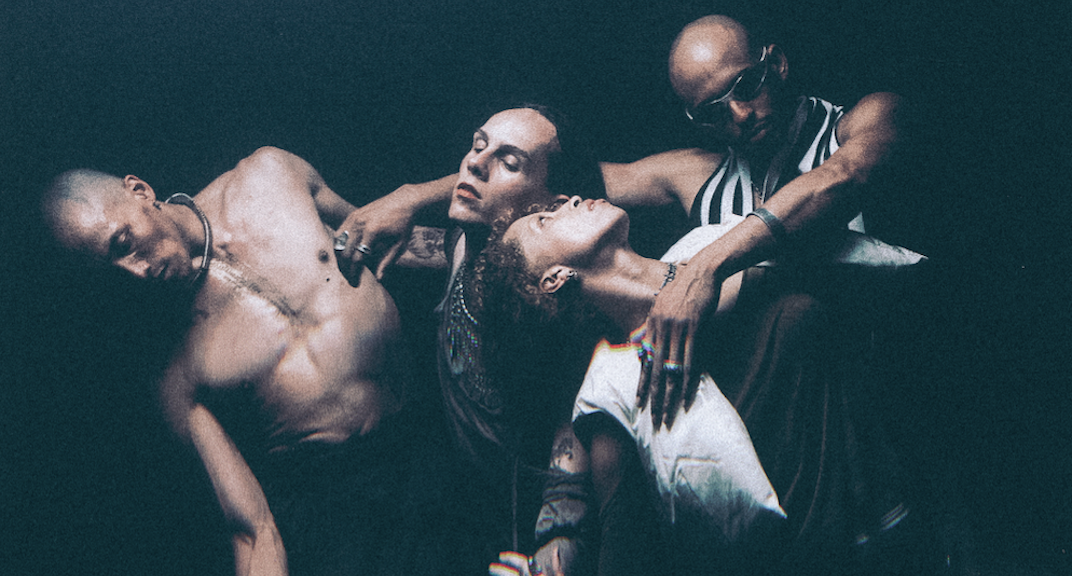
A groundbreaking performance series is blurring the lines between contemporary dance, live electronic music, and club culture. Future Forms, launching January 30th at National Sawdust, promises to transform how audiences experience the intersection of choreography and rave.
Future Forms describes itself as "part performance, part participatory ritual and part club rave" — a format that resists easy categorization. The series launches at National Sawdust in Brooklyn, bringing together elements typically kept separate in conventional music venues. Electronic music producer and DJ EREZ founded the project alongside choreographer Tanguay. The collaboration grew from their shared studio practice, where they developed methods for real-time dialogue between movement and sound. Now they're taking that process public. The core mission centers on dissolving the traditional performer-audience divide. Rather than watching from a distance, attendees become active participants in what the founders frame as embodied connection. This means the choreography responds to the electronic music as it's being produced, while the music shifts based on what's happening with the dancers and crowd. The format challenges the passive spectatorship common in both concert halls and nightclub settings. EREZ and Tanguay position Future Forms as exploration rather than entertainment — though the rave elements suggest the two aren't mutually exclusive.
Future Forms launches on January 30, 2026, at National Sawdust in Brooklyn, with a format that splits the night into two distinct experiences citation needed. Chapter One: BASE opens the evening as a structured performance segment. Artists present work in National Sawdust's seated concert hall, treating electronic music with the attention typically reserved for contemporary classical or experimental composition. The format allows performers to showcase material that might not work in traditional club settings. Chapter Two: OUTPUT transforms the space after BASE concludes. The venue shifts into club mode, with x3butterfly and Seb Wildblood citation needed leading the transition from formal presentation to open dance floor. This second chapter operates as a proper rave, giving attendees and performers a chance to move freely after the seated portion. The two-chapter structure addresses a gap in New York's electronic music scene—creating space for both careful listening and uninhibited dancing within a single event. National Sawdust's flexible architecture makes the venue-within-a-venue concept possible, though the production team will need to execute a quick turnaround between chapters.
The series arrives as queer artists increasingly reject traditional club hierarchies in favor of artist-run spaces and alternative formats. EREZ and Tanguay join a growing network of queer promoters and performers who prioritize community accountability over commercial scalability. This shift responds to concrete pressures. Rising venue costs and noise complaints have shuttered established queer nightlife spaces across Brooklyn since 2020 citation needed. Meanwhile, mainstream electronic music festivals have faced criticism for tokenizing queer performers while failing to address safety concerns or equitable pay structures. The series' emphasis on participatory elements—where audience members influence the performance environment—connects to broader experimentation in immersive art. But unlike corporate "experiential" installations, queer-led events typically center consent, accessibility, and collective care as design principles rather than afterthoughts. These spaces matter beyond their immediate participants. They function as testing grounds for new performance technologies, collaborative booking models, and harm reduction practices that often migrate into wider club culture. The DIY infrastructure built by queer organizers has historically shaped electronic music's evolution, from warehouse raves to streaming DJ sets during the pandemic.
The organizers plan to expand Future Forms from its current two-part structure to include a third chapter in upcoming editions citation needed. This additional section would allow for more experimental crossover between live performance and DJ sets, potentially featuring collaborative works that blur the distinction between the two formats. While the series launches in Brooklyn, early discussions suggest Future Forms could tour to other cities with strong electronic music communities citation needed. The model's flexibility—combining curated performance art with club culture—makes it adaptable to different venues and regional scenes. The series positions National Sawdust to bridge a gap that few venues currently address: the space between traditional concert halls and underground rave spaces. By programming work that takes electronic music seriously as a performance art form, the venue signals a broader shift in how institutions engage with club culture. For the wider industry, Future Forms offers a template for presenting dance music in contexts beyond the typical festival or nightclub booking. Producers and DJs working in experimental territories now have another platform that treats their work as both art and dance floor material—a distinction that matters for career development and critical reception.
Why It Matters
Artist news shapes touring schedules, collaboration opportunities, and fan expectations. For the electronic music community, following artist developments provides insight into the scene's direction.