BBC Radiophonic Workshop Archive Released as Sample Library
Spitfire Audio releases the BBC Radiophonic Workshop's 40-year archive as a VST plugin. Historic sounds from Delia Derbyshire and the VCS3 synth now availa
BBC Radiophonic Workshop Archive Released as Sample Library
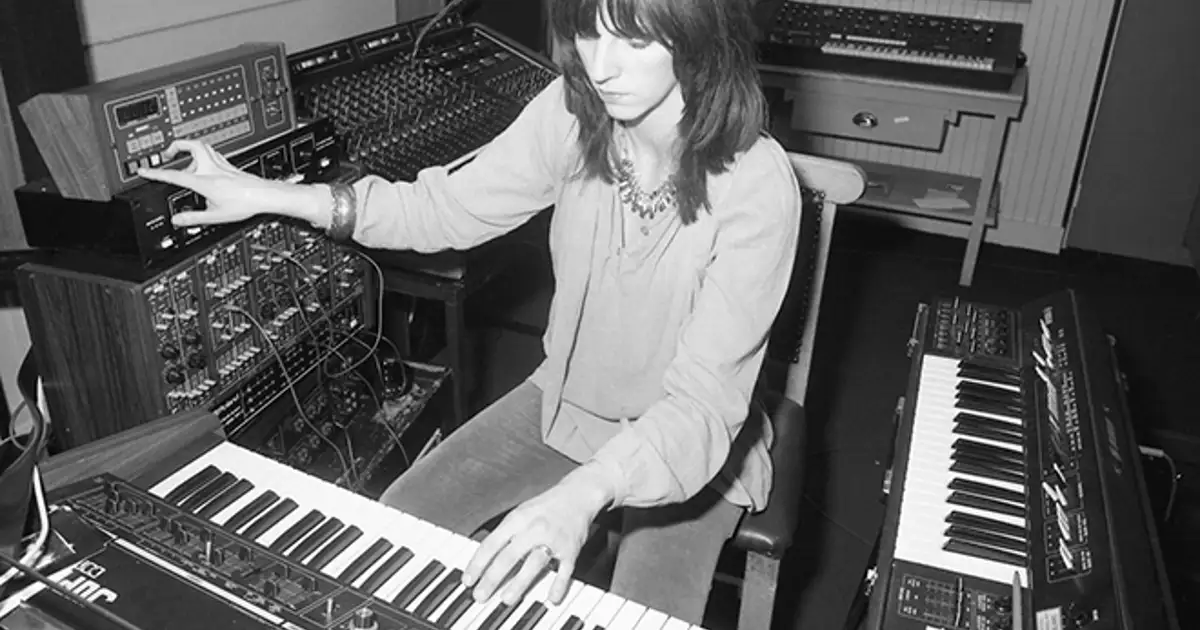
BBC Radiophonic Workshop archive becomes first-ever sample library
Spitfire Audio released the BBC Radiophonic Workshop sample library on February 19, 2025, marking the first comprehensive digital archive of Britain's experimental sound laboratory. The collection brings decades of original recordings, tape loops, and vintage synthesizers—including the iconic VCS3—into a modern VST plugin format using Spitfire's SOLAR engine.
From Maida Vale to Modern DAWs
The library captures sounds recorded with original Maida Vale Studios hardware, from analog synths to unconventional instruments like milk bottles and lampshades. Archivist Mark Ayres led the digitization effort, rescuing tapes nearly discarded after the Workshop's 1998 closure. The package launched at an introductory price of $159/£149/€179 until March 6, 2025, rising to $199 afterward—offering producers affordable access to techniques pioneered by Delia Derbyshire, Daphne Oram, and colleagues who shaped electronic music history.
What the archive contains and how to access it
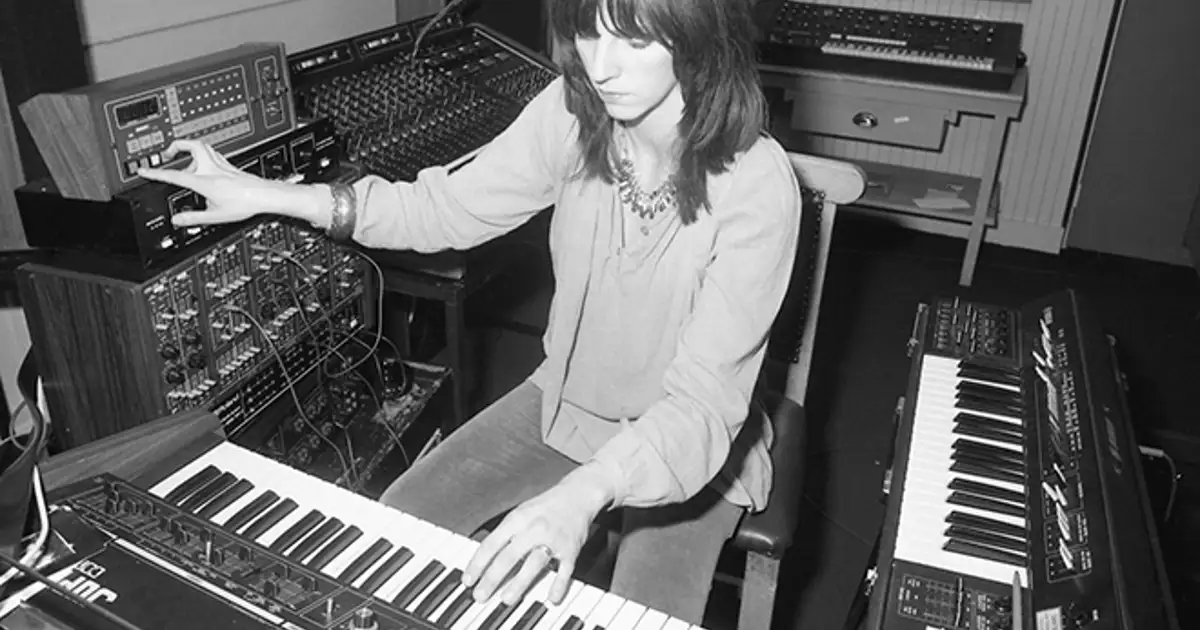
The Spitfire Audio library delivers the Radiophonic Workshop's 40-year archive as a playable VST instrument, featuring original tape loops, synth patches, and junk percussion recorded at Maida Vale Studios. Developers sampled vintage hardware including the VCS3 synthesizer and unconventional sound sources like milk bottles and lampshades—the same tools Delia Derbyshire and colleagues used for iconic BBC programs.
Pricing and availability
Spitfire Audio released the library on February 19, 2025, priced at $159/£149/€179 until March 6, then rising to $199. The collection runs on Spitfire's SOLAR engine, offering producers access to loops, one-shots, and newly recorded performances alongside digitized archival material.
Archivist Mark Ayres, 64, led the preservation effort after tapes nearly faced disposal following the Workshop's 1998 closure. His cataloguing work with Brian Hodgson ensures techniques from the 1950s-era pioneers reach contemporary producers.
Why this legendary sound collection nearly disappeared
When the BBC Radiophonic Workshop closed in 1998, its four-decade archive of master tapes faced an uncertain fate. The original recordings—created using techniques like tape manipulation, custom-built oscillators, and unconventional percussion—nearly ended up discarded as storage space dwindled and equipment dispersed.
The rescue operation
Mark Ayres, the Workshop's archivist, led the preservation effort alongside Brian Hodgson. The pair catalogued thousands of original tapes that documented groundbreaking work by pioneers like Delia Derbyshire and Daphne Oram. As the original team aged and analog hardware became obsolete, the urgency intensified: without digitization, these foundational sounds of electronic music—from the TARDIS materialization to experimental tape loops—risked permanent loss. The Spitfire Audio library transforms this rescued archive into a playable instrument, making techniques from the 1950s through 1990s accessible to modern producers.
How these pioneering techniques shaped modern electronic music
The Workshop's techniques—tape manipulation, reversed sounds, oscillator layering, and musique concrète experimentation—became cornerstones of modern electronic production. Delia Derbyshire's realization of Ron Grainer's Doctor Who theme in 1963 demonstrated how tape editing could create synthetic textures years before affordable synthesizers existed, influencing generations of producers from Aphex Twin to Burial.
From analog experimentation to digital workflow
By capturing the original VCS3 synthesizers, handmade tape loops, and unconventional percussion sources (milk bottles, lampshades) within a modern VST format, the library translates 1950s–1980s analog workflows into contemporary production environments. Producers gain authentic access to granular tape artifacts and modular synthesis patches that shaped scores for over 300 BBC programs annually by the late 1960s—techniques now simplified through Spitfire's SOLAR engine but preserving the Workshop's experimental DNA.