Aphex Twin Yamaha GX-1 Synth Hits Auction Block at £100K
Aphex Twin's MIDI-upgraded Yamaha GX-1 synth—one of fewer than 100 ever made—is up for auction starting at £99,950. Explore the rare instrument's legacy.
Aphex Twin Yamaha GX-1 Synth Hits Auction Block at £100K
Aphex Twin's GX-1 synth hits the auction block
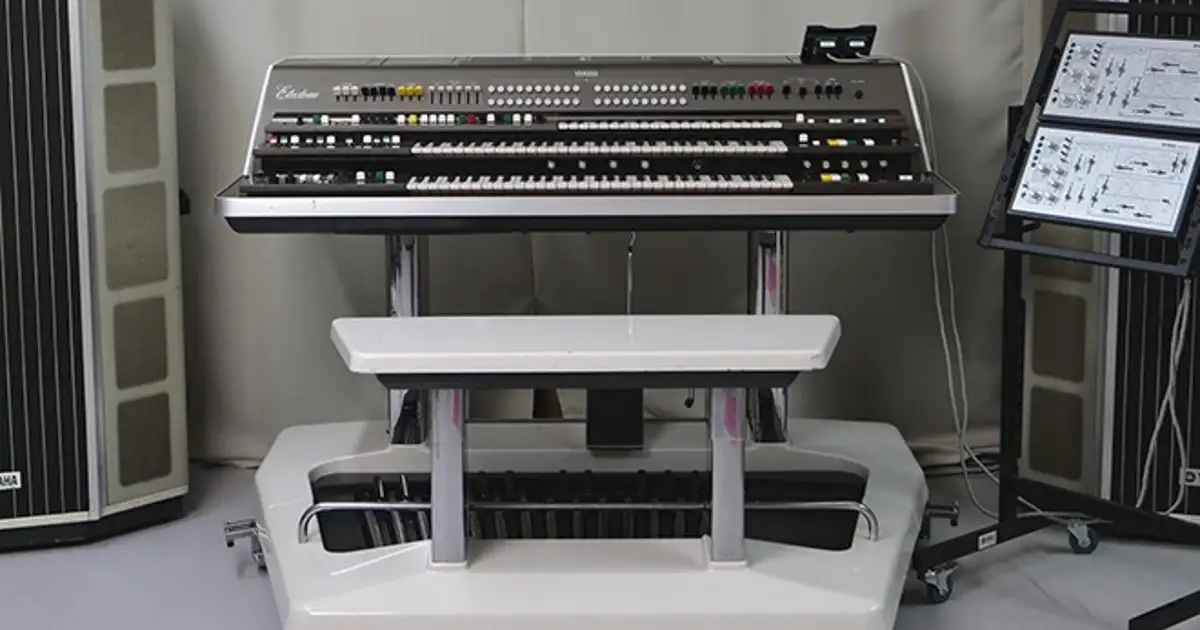
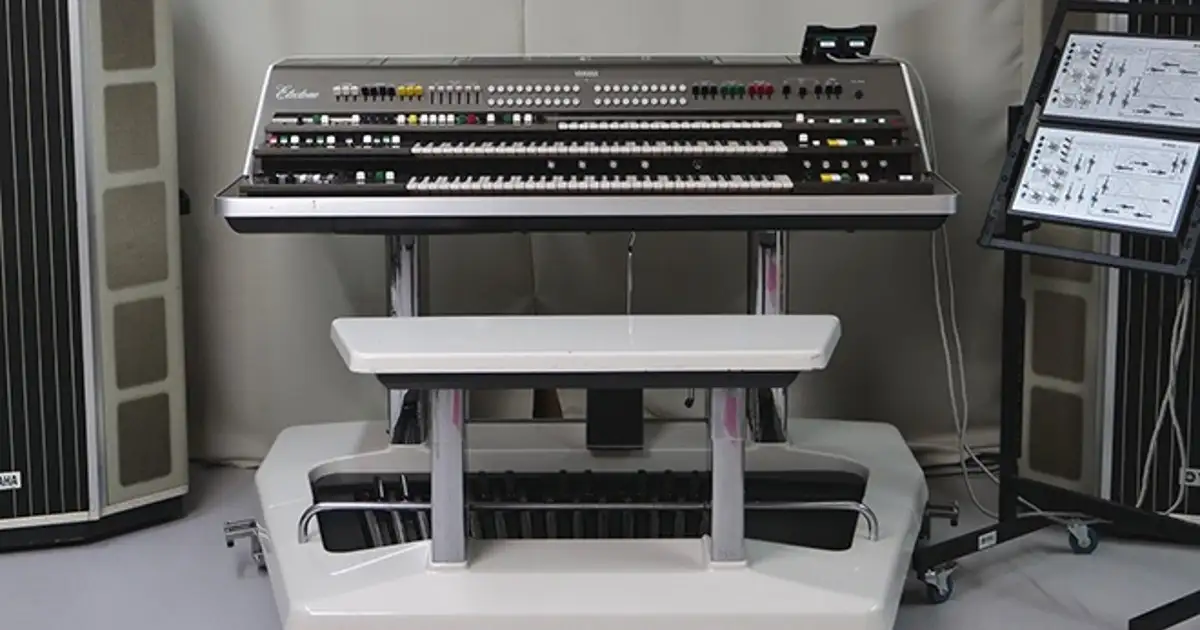
Aphex Twin's Yamaha GX-1—one of fewer than 100 units built worldwide—is now listed on VEMIA starting at £99,950. Richard D. James acquired the synth from 1960s producer Mickie Most and commissioned Berlin technician Colin Fraser to retrofit it with MIDI, modernizing the 1975 analog flagship for contemporary production.
A Dream Machine With Upgraded Circuitry
The GX-1 launched as Yamaha's Electone series pinnacle, pairing triple keyboards (61-key upper/lower, 37-key solo) with a 25-note pedalboard, 8-voice polyphony, and analog VCO/VCF/VCA architecture. Originally priced at $60,000 (~$396,000 today), it served legends including Stevie Wonder on Pastime Paradise and Keith Emerson. Aphex Twin spotlighted the instrument on 'GX1 Solo' from Rushup Edge (2007), bridging prog-rock heritage with IDM experimentation. The auction underscores surging demand for rare, culturally pivotal synthesizers.
What makes the Yamaha GX-1 a dream machine for collectors
Extreme rarity and legendary provenance
Yamaha built fewer than 100 GX-1 units between its 1975 launch and production end, with under 13 confirmed to exist outside Japan today. The original $60,000 price tag—equivalent to nearly $400,000 now—kept ownership exclusive to prog-rock royalty like Keith Emerson, John Paul Jones, and Stevie Wonder, who used it on Pastime Paradise. This scarcity transformed the GX-1 into what collectors call a "dream machine," bridging 1970s polyphonic synthesis innovation with modern electronic music through Aphex Twin's prominent use on tracks like GX1 Solo.
MIDI upgrade adds modern utility
Aphex Twin's unit received a custom MIDI retrofit by Berlin technician Colin Fraser, marrying vintage analog circuitry—eight-voice polyphony, triple keyboards, ribbon controller—with contemporary studio workflows. Combined with its provenance from 1960s producer Mickie Most, the upgrade positions this particular GX-1 as both playable instrument and historical artifact, justifying VEMIA's £99,950 starting bid amid surging demand for rare, functional vintage synthesizers.
Why this MIDI-upgraded rarity matters to electronic music history
The Yamaha GX-1 bridged analog synthesis and polyphonic architecture at a scale unprecedented in 1975, serving as Yamaha's experimental flagship before technologies migrated to later instruments like the CS-80. Fewer than 100 units shipped worldwide at roughly $60,000 each—about $396,000 in today's dollars—cementing its status as an unobtainable "dream machine" for all but rock royalty and major studios.
From prog-rock studios to IDM innovation
Stevie Wonder, Keith Emerson, and John Paul Jones defined the GX-1's first chapter; Aphex Twin's MIDI-upgraded example represents its second act. His 2007 track 'GX1 Solo' (released as The Tuss) showcased the instrument's ribbon controller and layered polyphony in an IDM context, demonstrating how rare vintage hardware could fuel experimental electronic music decades after its heyday. The MIDI retrofit—executed by Berlin technician Colin Fraser—transformed a 1970s organ-synth hybrid into a sequencer-compatible studio tool, preserving analog character while enabling modern workflows that Richard D. James exploited throughout his catalogue.
How to bid and what happens next
Bidding opens at £99,950 on the VEMIA platform, where the instrument is listed as of April 10, 2025. VEMIA specializes in vintage musical equipment and facilitates private sales and auctions for high-value collectibles.
What makes this unit special
This GX-1 was purchased from 1960s producer Mickie Most and subsequently upgraded with MIDI by Berlin technician Colin Fraser—a practical enhancement given the synth's pre-digital origins. Aphex Twin featured it on "GX1 Solo" from the 2007 Tuss album Rushup Edge. With fewer than 13 units known outside Japan and original prices near $60,000 (roughly $396,000 today), authenticated provenance and functionality drive collector interest. Prospective buyers should verify condition reports, MIDI implementation details, and shipping logistics through VEMIA directly before committing to six-figure bids.